
How Miami Boat Owners Find a Trusted Hull Diver
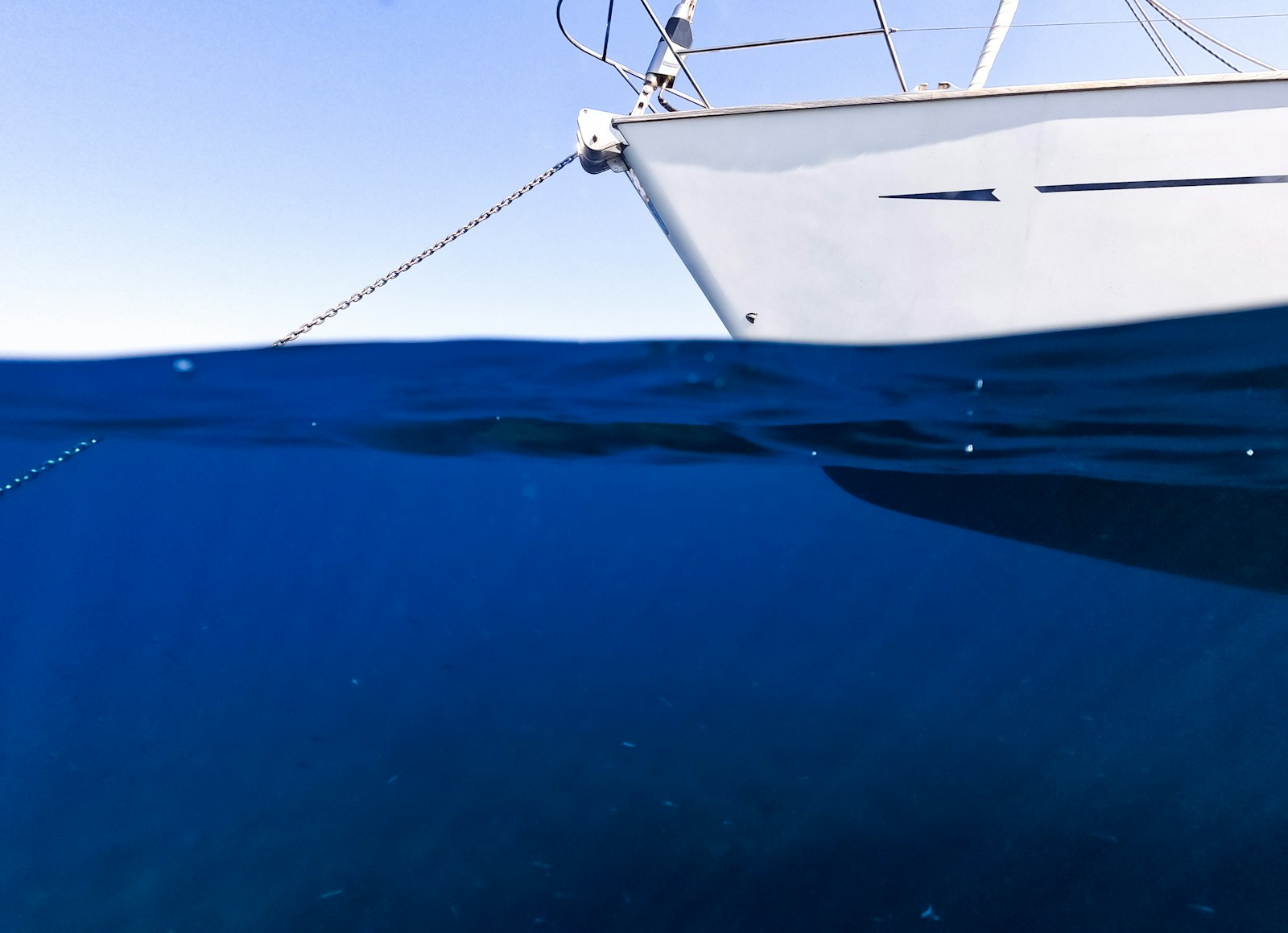
If you keep a boat in the water year-round — and in Miami, most of us do — your hull is collecting growth right now. Barnacles, slime, soft growth, hard growth: it all adds up. Within a few weeks, your fuel economy drops, your top speed slips, and your zincs start working overtime. Within a few months, you are looking at real damage to running gear, props, and underwater fittings.
That is what hull divers solve. A good hull diver shows up on a schedule, cleans the bottom, inspects the running gear, swaps zincs, and sends you photos so you actually know what is happening below the waterline. A bad hull diver shows up once, does a sloppy job, and you find out three months later when your boat handles like a barge.
For Miami boat owners, the question is rarely "do I need a hull diver." It is "how do I find a good one I can trust to show up." This guide walks through how to do that — what to look for, what to ask, and how to use BoatBaseHQ to make it easier.
Why Hull Diving Matters More in Miami Than Most Places
Miami's water is warm year-round. Coconut Grove, Brickell, Key Biscayne, Miami Beach — every marina from Dinner Key to Sunset Harbour is a growth factory. The combination of warm water, light, and nutrient-rich runoff means hulls in South Florida foul faster than hulls in San Diego, the Chesapeake, or the Pacific Northwest.
A boat sitting in Coconut Grove in June can grow a measurable layer of soft growth in two to three weeks. By week six, you are losing fuel efficiency. By week ten, your antifouling paint is compromised and the growth is starting to dig in. Most Miami boat owners need a hull cleaning every four to six weeks during peak growth season, and every six to eight weeks the rest of the year.
That cadence only works if you have a diver you trust to keep the schedule. Miss two cycles in a row and you are looking at a much harder, much more expensive clean.
What a Qualified Hull Diver Actually Does
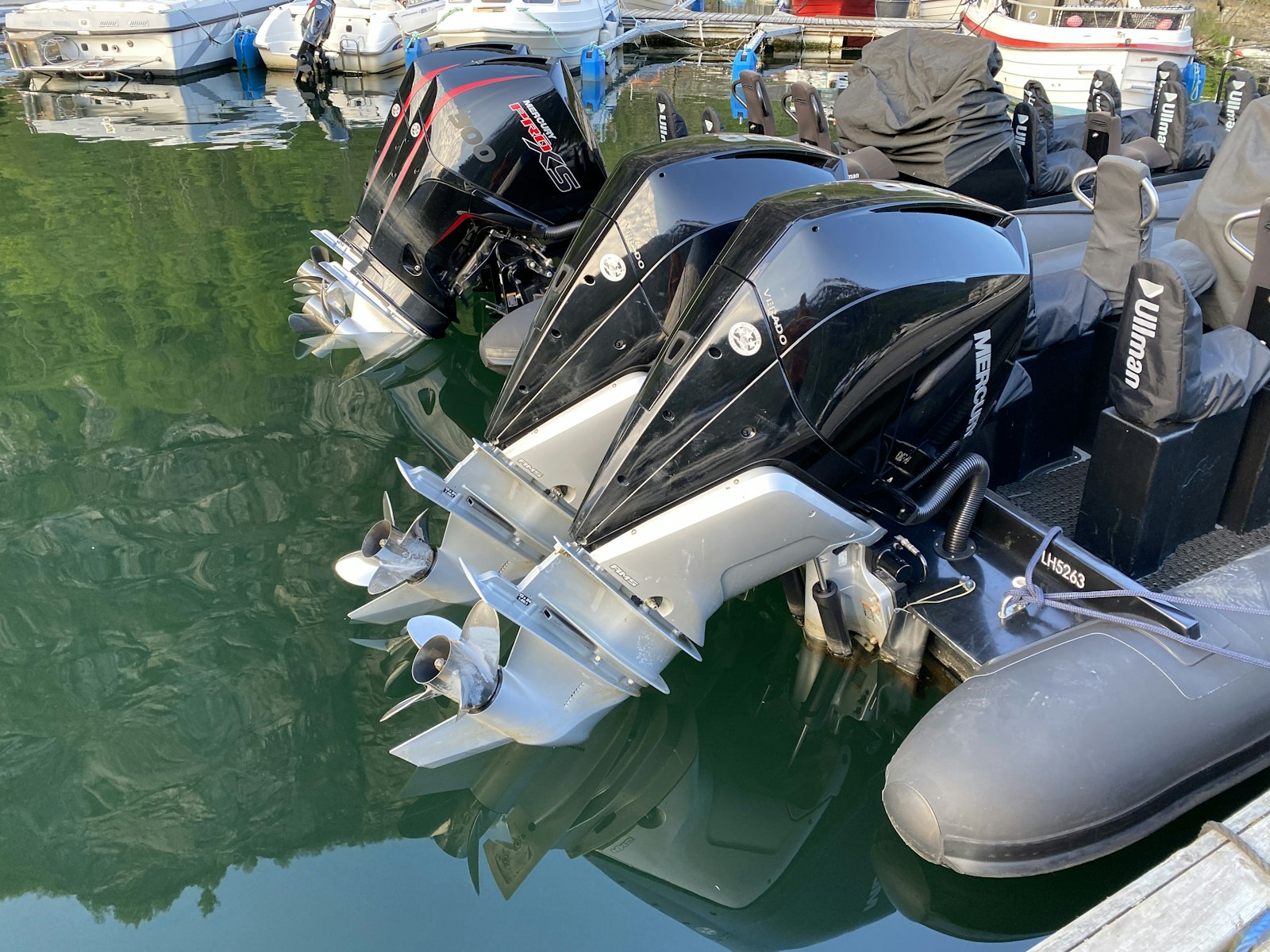
Hull diving is not just scrubbing. A professional hull diver delivers several things on every visit: hull cleaning (bottom, sides, transom, swim platform — growth removed without stripping antifouling paint); running gear inspection (prop, shaft, strut, rudder, trim tabs — they look for line wraps, damage, or missing hardware before you discover it on the water); zinc inspection and replacement (anodes corrode on a schedule, a good diver tracks yours and swaps them before galvanic damage starts); through-hull and intake check (strainers, transducers, raw water intakes that get fouled and need clearing); and photos plus a written report.
The photos and report are the part most casual divers skip and the part that matters most. You should know what your hull looked like before and after, and what they found. If a diver does not offer photos and a short written report, that is not a deal-breaker — but it tells you something about how they run their business.
What to Look For Before You Hire
Hull diving is not regulated the way captaining is. Anyone with a tank and a scraper can call themselves a hull diver. That makes verification on you. Five things to check before you hire:
Insurance. A good hull diver carries general liability and pollution insurance. Damage to running gear or a dropped tool on a $200,000 boat is not something you want to absorb yourself. Ask for a certificate of insurance.
References from boat owners in your marina. The marine community is small. If a diver works your marina regularly, two or three of your dock neighbors will know them. Ask around.
Consistency of schedule. Hull diving only works as a maintenance program. Ask how they handle scheduling and what happens if a visit gets missed. The best divers run on a recurring schedule and treat it as non-negotiable.
The boats they currently service. A diver who services six 25-foot center consoles is a different operation from one who maintains 50-foot sportfish boats and yachts. Match the operation to your boat.
How they price. Most Miami hull divers price by length, sometimes with adjustments for hull condition or growth volume. Flat per-foot pricing is normal. Wildly cheap pricing usually means a rushed clean, less inspection, or no documentation.
How BoatBaseHQ Makes This Easier
This is the problem BoatBaseHQ was built to solve. Instead of asking around the dock, calling three numbers from a Facebook group, and hoping someone calls back, you post a hull diving request once. Qualified hull divers in your area see it and send bids. You compare experience, pricing, and reviews from other Miami boat owners in one place.
The platform is free for boat owners. You can post a one-time clean or set up a recurring service request. Messages stay inside the platform — no phone numbers shared until you decide to hire. After the job is complete, photos and a service record get attached to your boat's maintenance history, so the next diver, the next surveyor, and the next buyer of your boat can see exactly what was done and when.
For Miami boat owners who keep a boat in the water and just want a reliable hull diver showing up every four to six weeks without the chase, this is the workflow.
Three Common Mistakes Boat Owners Make
Waiting too long between cleanings. Skipping a cleaning to save money costs more on the next one. The growth comes off faster and cleaner when you stay on schedule.
Hiring the cheapest diver. Hull diving is one of those services where price tracks closely with quality of inspection and documentation. The cheap option is rarely cheaper over a year.
Not tracking what was done. If you cannot answer "when were the zincs last changed" in five seconds, you are losing money somewhere — either to over-replacement or to corrosion you have not noticed yet. A maintenance history fixes this.
Find a Hull Diver in Miami on BoatBaseHQ
If you keep your boat in Coconut Grove, Brickell, Dinner Key, Miami Beach, Key Biscayne, or any marina between Government Cut and Black Point, BoatBaseHQ has hull divers in your area. Post your request in under five minutes and let qualified providers bid for your business.
Visit BoatBaseHQ.com to post your first hull diving request — free for boat owners, always.