How to Find a Marine Surveyor in Miami (2026 Guide)
You've found the boat. The listing looks clean, the price feels right, and the seller swears she's been well-maintained. But before you wire a deposit or call your insurance broker, you need a marine survey — and in Miami, that decision carries more weight than almost anywhere else in the country.
Miami's boating market moves fast. Between weekend warriors flipping center consoles on Biscayne Bay, snowbirds offloading their winter boats before heading north, and private sellers who've deferred maintenance through three hurricane seasons, there's no shortage of boats with hidden stories. A qualified marine surveyor is the person who reads those stories before you're the one stuck paying for them.
What Does a Marine Survey Actually Cover?
Not all surveys are the same, and knowing which type you need saves time and money upfront.
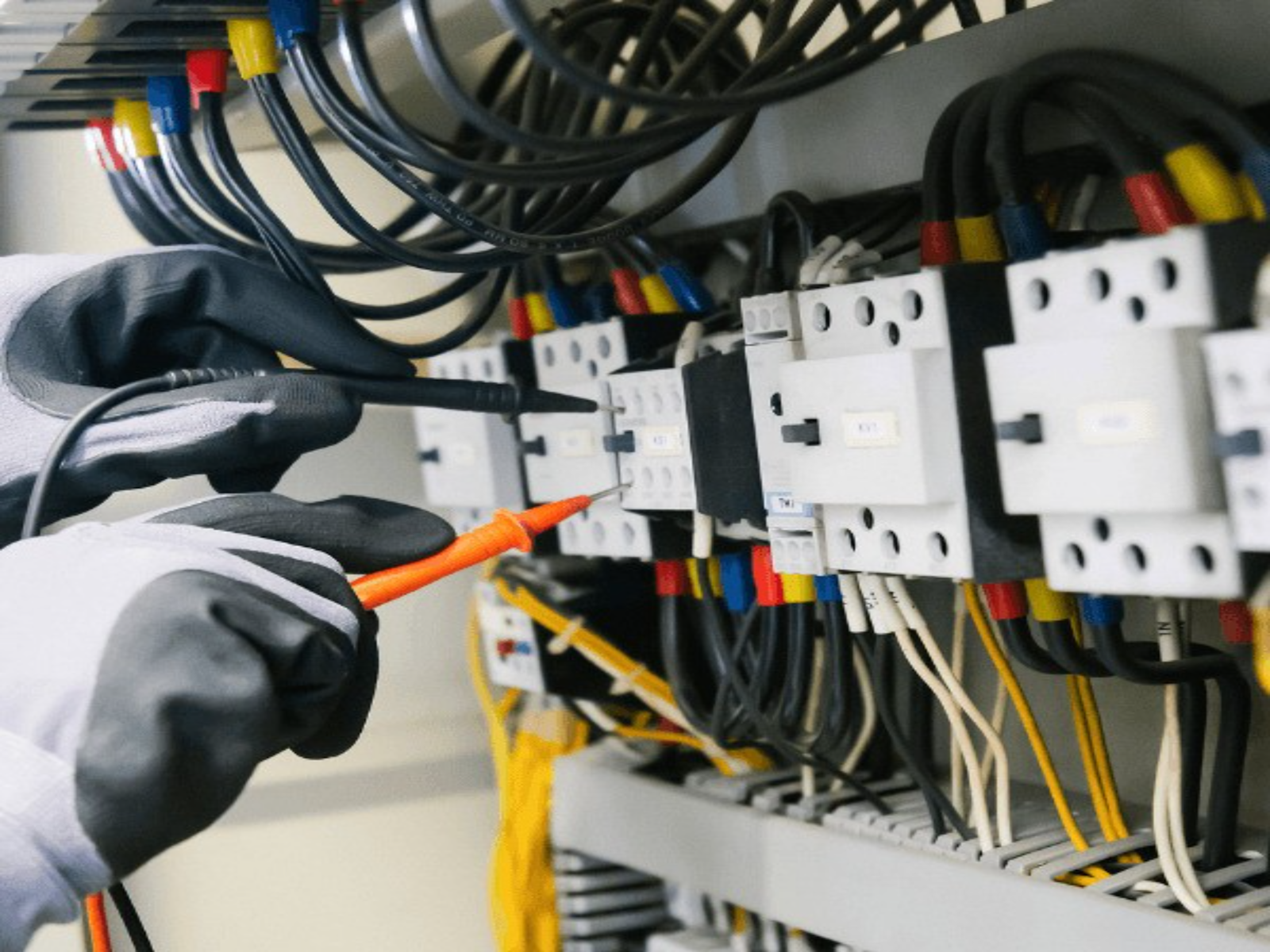
Pre-purchase survey — The most comprehensive. Covers the hull, structural components, mechanical systems, electrical systems, safety equipment, and the overall seaworthiness of the vessel. If you're buying a boat, this is the one you want.
Insurance survey — Required by most marine insurers before issuing a policy. Focuses on condition and value. Usually required every 3–5 years on older boats or anytime ownership changes.
Damage assessment survey — Ordered after a grounding, collision, or storm event. Documents what happened and establishes repair scope for insurance claims.
Out-of-water (haulout) inspection — The surveyor examines the hull below the waterline — osmotic blistering, keel attachment, through-hull fittings, bottom paint condition. Most surveyors require a haulout for any full pre-purchase survey, and Miami boatyards along the Miami River are accustomed to accommodating these requests.
The typical survey report runs 15–30 pages and includes photos, findings, and recommendations organized by priority.
What to Look for in a Marine Surveyor
The marine surveying industry isn't federally licensed — anyone can technically call themselves a marine surveyor. That's why certifications matter.
SAMS (Society of Accredited Marine Surveyors) and NAMS (National Association of Marine Surveyors) are the two recognized credentialing bodies. Look for the designations AMS (Accredited Marine Surveyor) or CMS (Certified Marine Surveyor). These surveyors have passed written exams, completed documented surveys, and carry professional liability insurance.
When interviewing a surveyor, ask:
- Are you SAMS or NAMS certified?
- Do you carry E&O (errors and omissions) insurance?
- Is your report format accepted by major marine insurers like BoatUS, Markel, or Progressive?
- How many surveys have you completed on vessels like this one?
A good surveyor will welcome those questions. A hesitant one is a red flag.
Expect to pay $20–$25 per foot for a typical pre-purchase survey in Miami, plus haulout fees if the boat needs to come out of the water. Don't let cost push you toward the cheapest option — a missed structural issue can cost you ten times the survey fee.
Miami-Specific Things Your Surveyor Should Know
A marine survey Miami requires isn't like one conducted in calmer, cooler waters. Whoever you hire should understand the specific conditions boats face here.
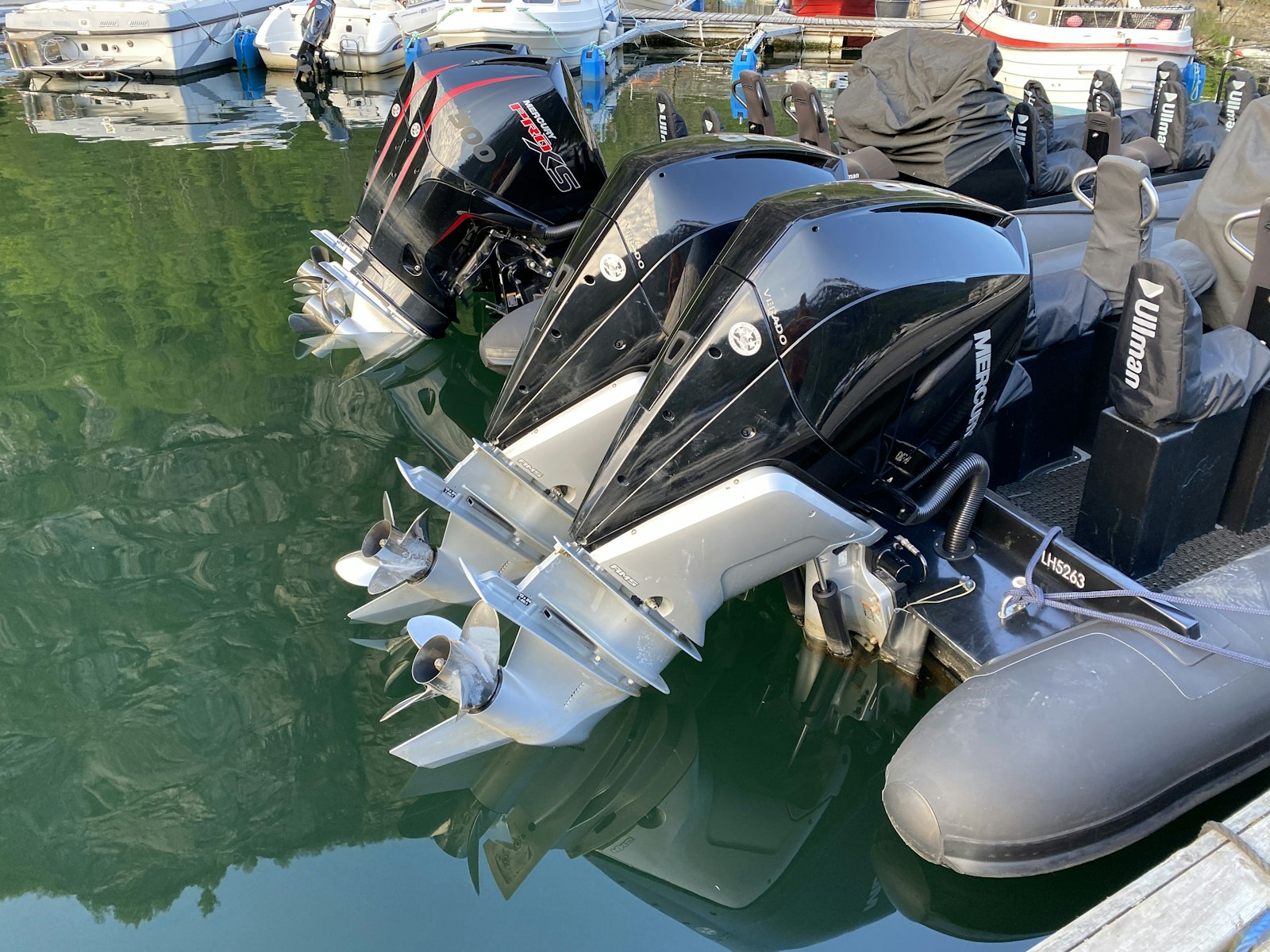
Salt water corrosion — South Florida's warm, salty water is brutal on metal components. Stainless steel fittings, through-hull hardware, outboard motor brackets, and electrical connections corrode faster here than in cooler northern waters. An experienced local surveyor knows exactly where to look and what to look for.
Hurricane damage history — This is non-negotiable in Miami. Boats that survived Irma, Dorian, or Ian may carry structural or water intrusion damage that was never fully repaired. Some were declared total losses, refloated, and quietly resold. Always ask for the vessel's documented history, and make sure your surveyor specifically looks for signs of previous storm damage — hidden delamination, repaired gelcoat over cracked stringers, or electrical systems that were patched rather than properly replaced.
Biscayne Bay hard bottoms — Biscayne Bay has shallow, rocky areas where groundings happen regularly. Running aground at speed on hard sand or limestone can damage the keel, hull, or running gear in ways that aren't obvious above the waterline. If a boat has been kept in the Bay for any significant time, a haulout isn't optional — it's essential.
Miami River boatyards — The Miami River corridor is home to several working boatyards that can handle haulouts for vessels up to 60+ feet. Coordinating the haulout with your surveyor before signing anything is standard practice here. Your surveyor should have working relationships with local yards — if they don't know who to call on the Miami River, they may not be as locally experienced as they claim.
Broker and dealer pressure — Miami has no shortage of brokers who want to close fast. A good surveyor works for you, not the deal. Don't let anyone rush the survey timeline or steer you toward a surveyor they "recommend." Find yours independently.
How to Find a Qualified Marine Surveyor in Miami
Start with the SAMS and NAMS online directories — both have searchable member listings filtered by location and vessel type. Cross-reference with local boatyards and marinas; the yards on the Miami River and in Coconut Grove often know which surveyors work the area regularly and do thorough work.
Ask other boat owners. The boating community in Miami is tight-knit, and word travels fast about who delivers solid reports and who rushes through them. Forums like The Hull Truth and local Facebook boating groups are good places to gather intel.
Once you have a few names, call them. A surveyor who picks up the phone, answers your questions directly, and isn't trying to upsell you on anything extra is usually a good sign.
Don't Skip This Step
A marine survey in Miami isn't bureaucratic box-checking. It's your best protection against buying someone else's problem — and in this market, those problems can run deep. Take your time, hire someone certified and local, and read the report carefully before you commit.
Ready to take the next step with your boat? BoatBaseHQ connects boat owners with trusted marine service providers, maintenance tracking tools, and everything you need to own and operate a vessel with confidence. Whether you're buying your first boat or managing a fleet in South Florida, we're built for the water.