
Provider Spotlight: When to Hire a Marine Electrician
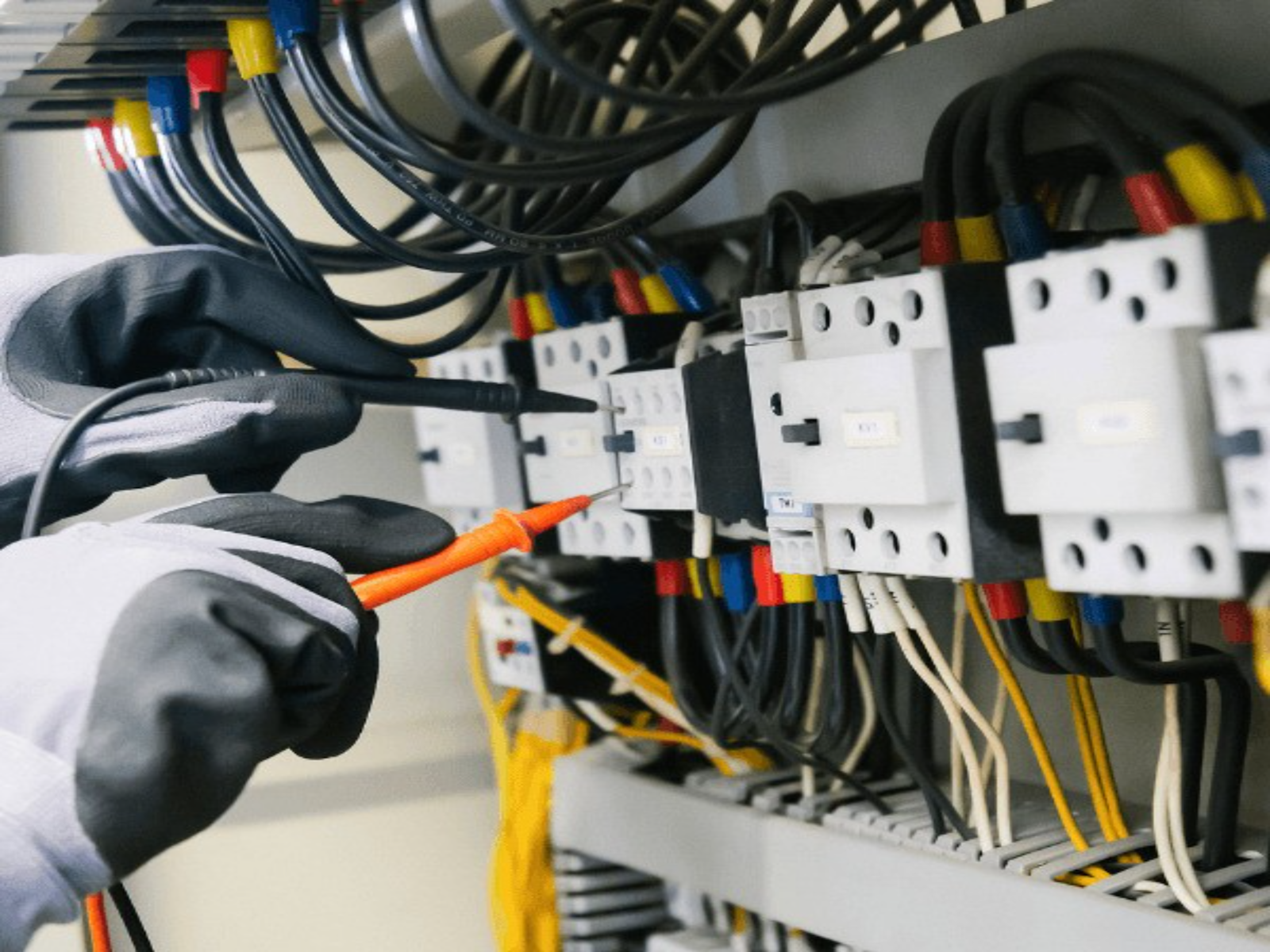
Most boat problems announce themselves. An engine that will not start, a hull that needs cleaning, canvas that has finally given up. Electrical problems are quieter, and that is exactly what makes them dangerous.
A corroded connection does not fail on a Tuesday at the dock. It fails three miles out with the sun going down and the bilge pump you were counting on suddenly silent. Marine electricians are the professionals who find those problems before the water does.
Here is what they actually do and when it is worth calling one.
Why Marine Electrical Is Its Own Trade
A house electrician and a marine electrician are not interchangeable, and hiring the wrong one is a real risk.
Boats run direct current alongside alternating current, often in the same panel. They live in salt air, which attacks every connection continuously. They vibrate constantly underway, working screws and terminals loose over time. They sit in an electrolytic environment where stray current quietly eats metal below the waterline. And they follow marine-specific standards — ABYC guidelines rather than residential code — that govern everything from wire gauge to how a circuit gets protected.
Someone who wires houses knows none of that by default. Marine electrical work is a distinct discipline, and the professionals who do it well have spent years in it.
What a Marine Electrician Handles
The scope is broader than most owners expect.
On the systems side: batteries and charging, including alternators, shore power converters, and increasingly lithium conversions. Panel and circuit work, from adding a circuit to rebuilding a corroded distribution panel. Wiring runs and terminations throughout the vessel.
On the equipment side: navigation and electronics installation — chartplotters, radar, VHF, autopilot — where a clean power supply is half the job. Pumps and their float switches. Lighting, both navigation lights that must meet requirements and interior lighting that does not.
And on the diagnostic side, which is where the real value often sits: tracing parasitic draws that flatten a battery over a week, chasing intermittent faults, and investigating galvanic and stray current corrosion — the kind that shows up as zincs disappearing far faster than they should.
That last one deserves emphasis. If you are burning through zincs, something electrical is likely wrong, and it is costing you hardware below the waterline every day it goes unaddressed.
Signs You Need One Now
Some symptoms can wait. These should not.
Your batteries will not hold a charge, or they drain while the boat sits unused. Something is drawing power or the charging system is not doing its job. Both are findable.
Zincs are wearing unusually fast. Sacrificial anodes are supposed to erode — but on a predictable schedule. Accelerated loss points to stray current, and the metal it protects is next.
You smell hot plastic, see discoloration around a terminal, or find a warm breaker. Stop and call someone. This is the category where waiting has consequences beyond cost.
Breakers trip without an obvious reason, or you find a fuse someone has replaced with something larger than the original. That second one is a common and genuinely dangerous shortcut.
Anything works intermittently — lights, pumps, electronics that come and go. Intermittent almost always means a connection is failing, and failing connections do not improve on their own.
You are adding meaningful electrical load. New electronics, a windlass, a second battery bank, an inverter. Adding load to wiring that was not sized for it is how small projects become expensive ones.
What to Look for When Hiring
Ask about marine-specific training and certification. ABYC certification is the common credential in the field, and while its absence does not disqualify an experienced professional, its presence tells you they have been tested against the standards that govern this work.
Ask what they will document. Good marine electricians leave you with something — a wiring diagram, labeled circuits, photos of what was done. That documentation makes every future job on your boat faster and cheaper, because the next professional is not reverse-engineering someone else's work.
Ask how they diagnose. On a complex electrical fault, an honest answer involves diagnostic time billed separately from the repair. A flat quote before anyone has looked at the boat should make you cautious, not comfortable.
Confirm current liability insurance and ask for the certificate. This is standard, and many marinas in San Diego and Miami now require vendor coverage on file before work happens on the premises.
Getting a Comparable Quote
Electrical is one of the harder trades to compare quotes on, because scope varies so much between bids. A few habits help.
Describe symptoms rather than diagnosing. "Batteries drain over four days with everything off" is more useful than "I think I need a new battery." You may be right, but let the professional confirm it.
Ask each bidder to separate diagnostic time, labor, and parts. When those are bundled into one number, you cannot tell what you are actually comparing.
Ask what happens if they find additional problems once panels are open. On older boats, they usually will. Knowing in advance how that gets handled and approved prevents an uncomfortable conversation later.
Keep the Record
Electrical work is cumulative. Every job builds on the last, and boats accumulate decades of modifications by different hands.
Keep every invoice, every diagram, every photo of an open panel. When you eventually add that inverter or sell the boat, a documented electrical history is worth real money — and it spares the next professional from guessing at what the previous one did.
Finding a Qualified Marine Electrician
Marine electricians are among the harder specialties to source cold, because the good ones are booked through relationships rather than advertising.
BoatBaseHQ is built for exactly that gap. Describe the electrical work or the symptom you are seeing, receive competitive bids from marine professionals in San Diego and Miami, compare them side by side, and keep the service history for your vessel documented in one place.
Post your first job free at BoatBaseHQ.com.